3 hr
Guided Mombasa City Discovery Tour
Explore Kenya's coastal heritage through historic landmarks, bustling markets, and iconic symbols
Reserve
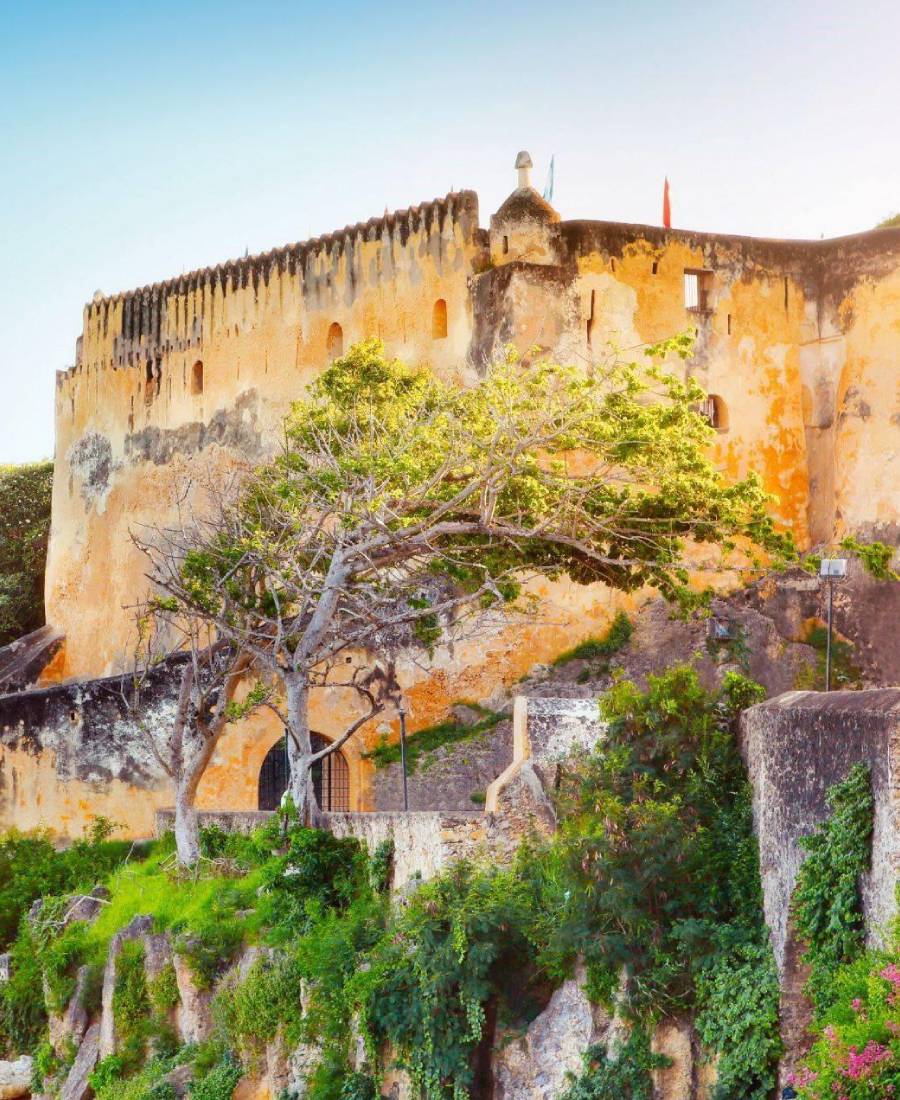
Coral ramparts meet the Indian Ocean, where centuries collide in stone.
Hand-picked by our editors — only the best 4 experiences from 11 reviewed.
Verified partners for Mombasa City tours, free cancellation where available, and instant confirmation on every booking.
3 hr
Explore Kenya's coastal heritage through historic landmarks, bustling markets, and iconic symbols
Reserve
3 hr
Discover Mombasa's UNESCO fortress, historic Swahili streets, and aromatic spice bazaar on this immersive cultural walk
Reserve
10 hr
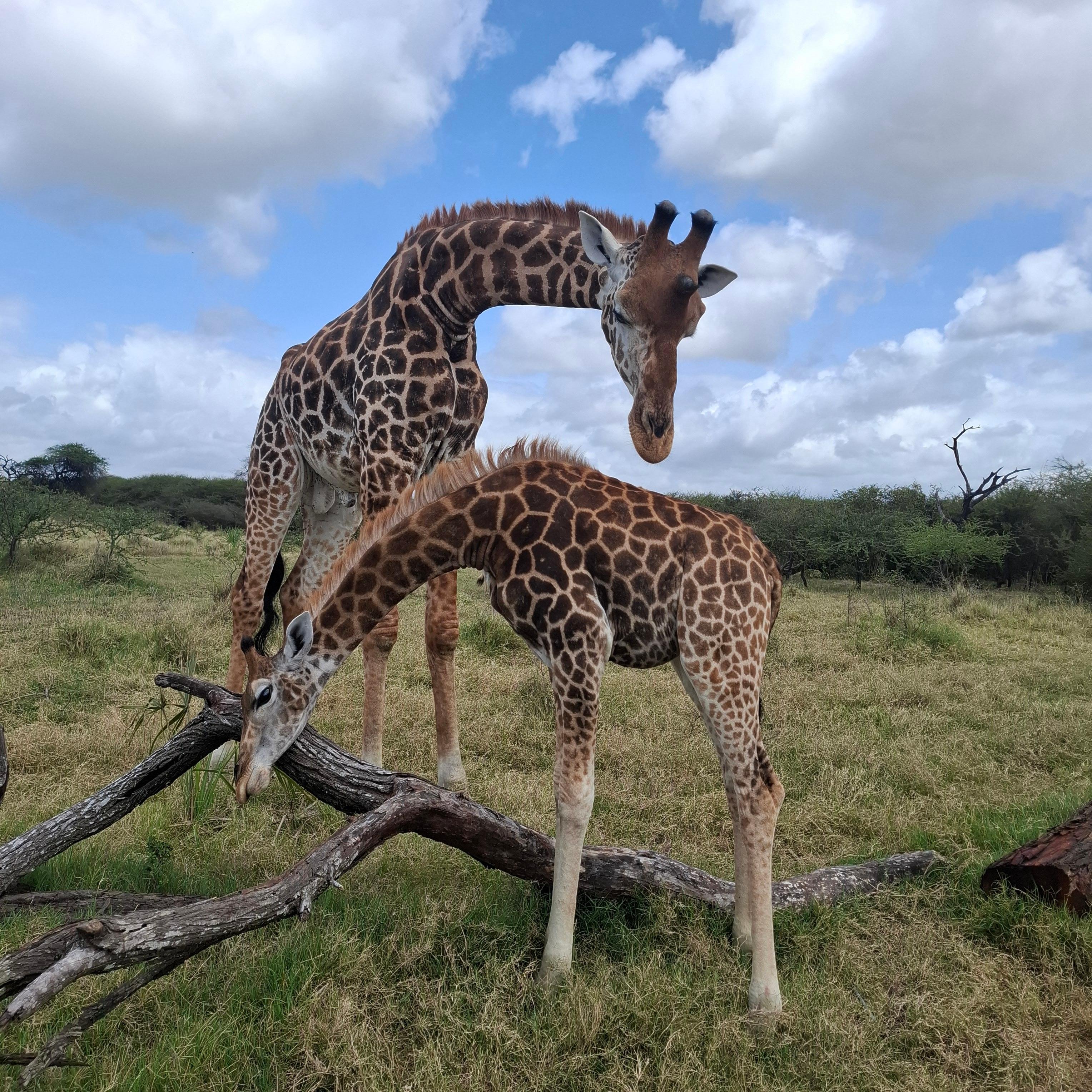
Uncover Mombasa's heritage at a Portuguese fortress, wander historic alleyways, and walk among giraffes
ReservePrices from verified partners. Availability updates in real time at checkout. Free cancellation policies apply where shown.
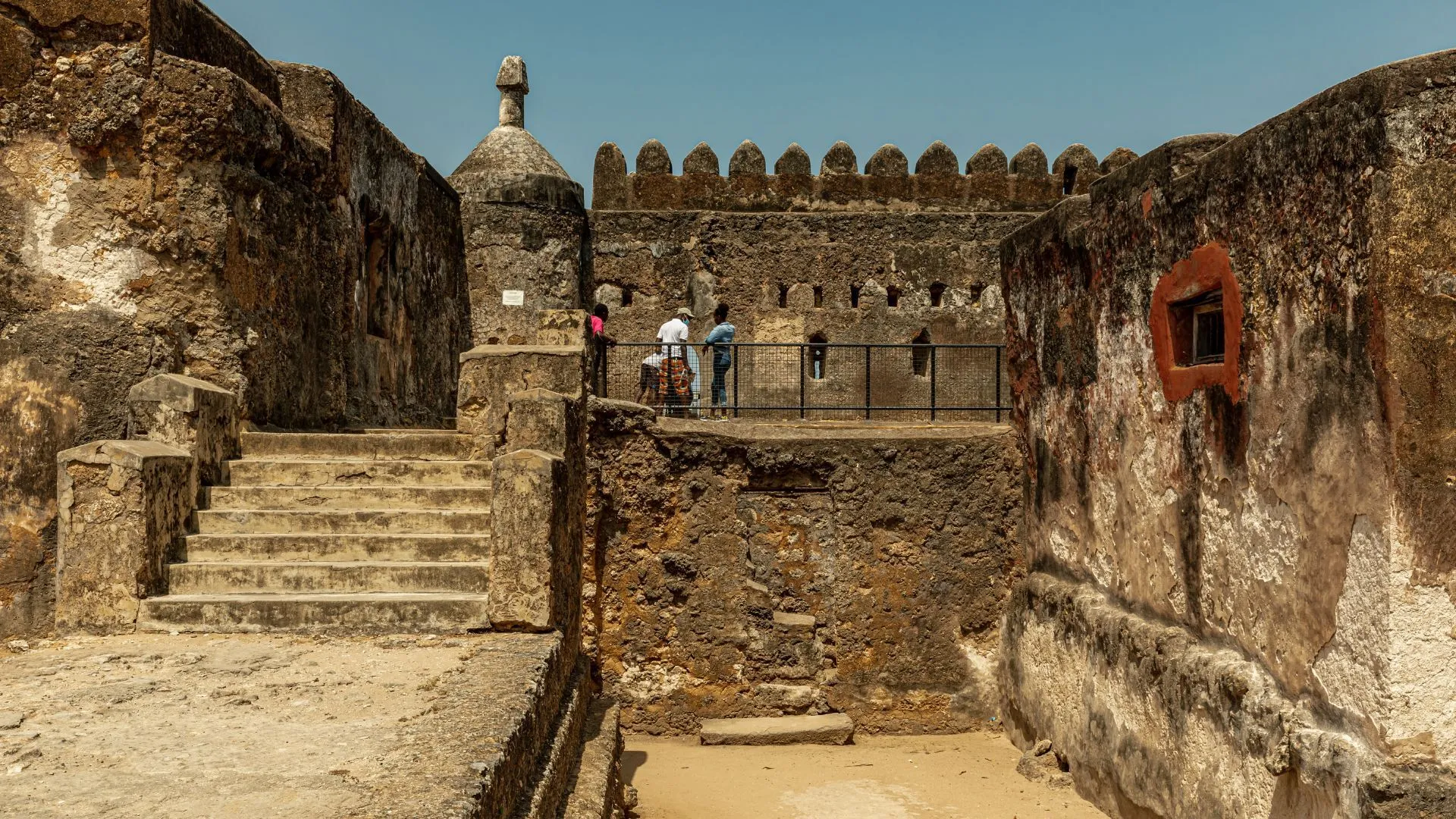
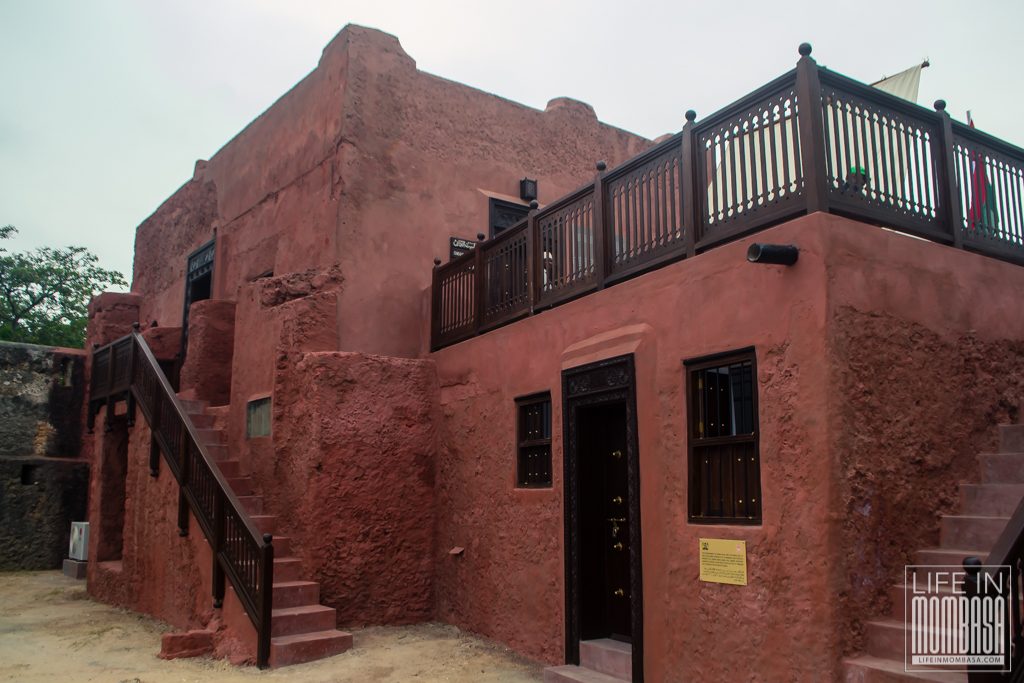
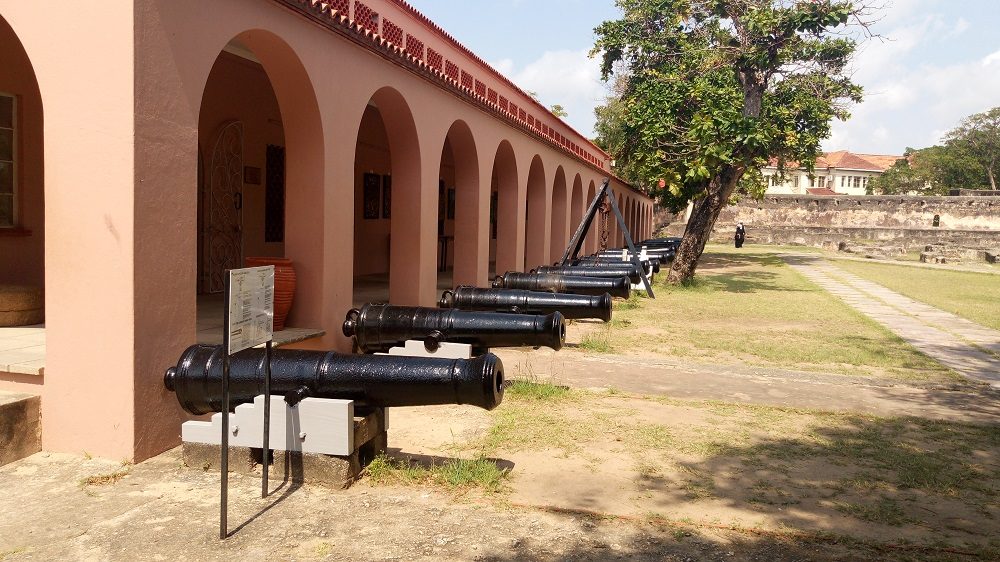
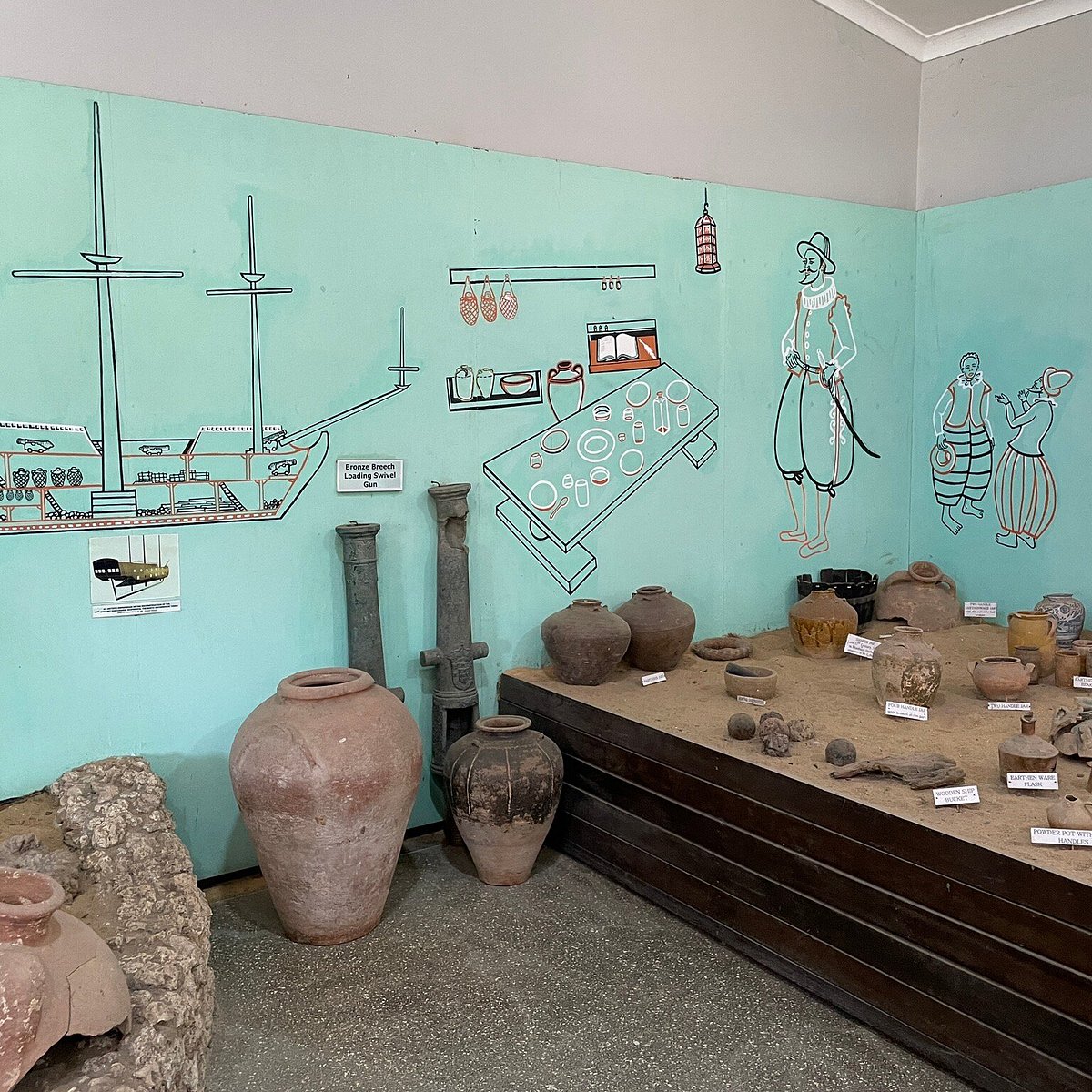
The landmarks, rooms, and views travelers on Mombasa City tours remember — all visible on a single visit.
Close up view of ancient wooden gate
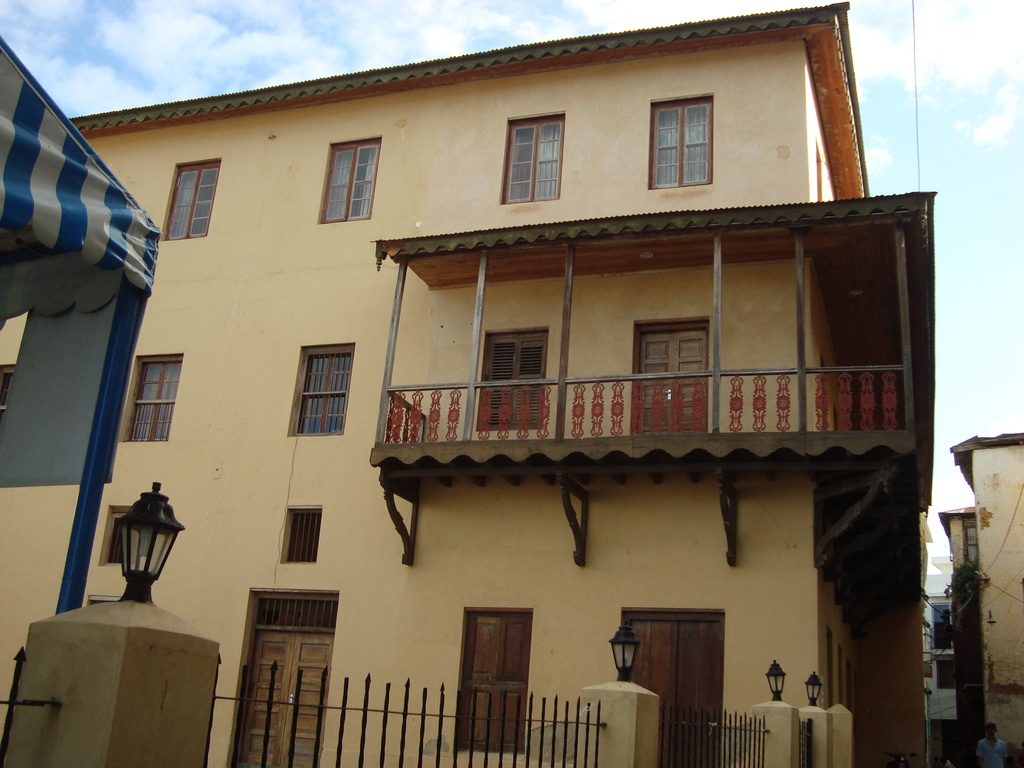
Traditional interior of Omani house
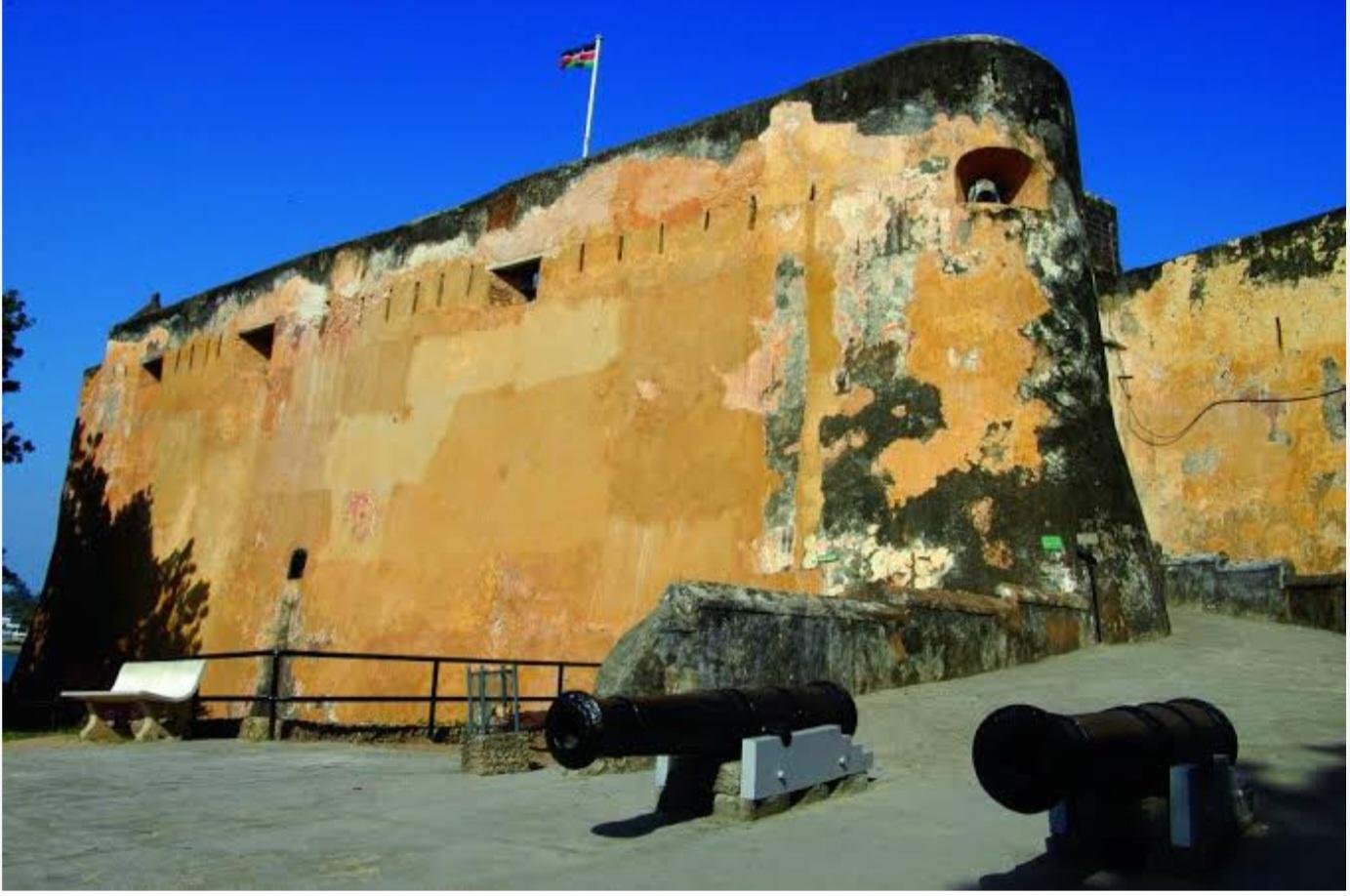
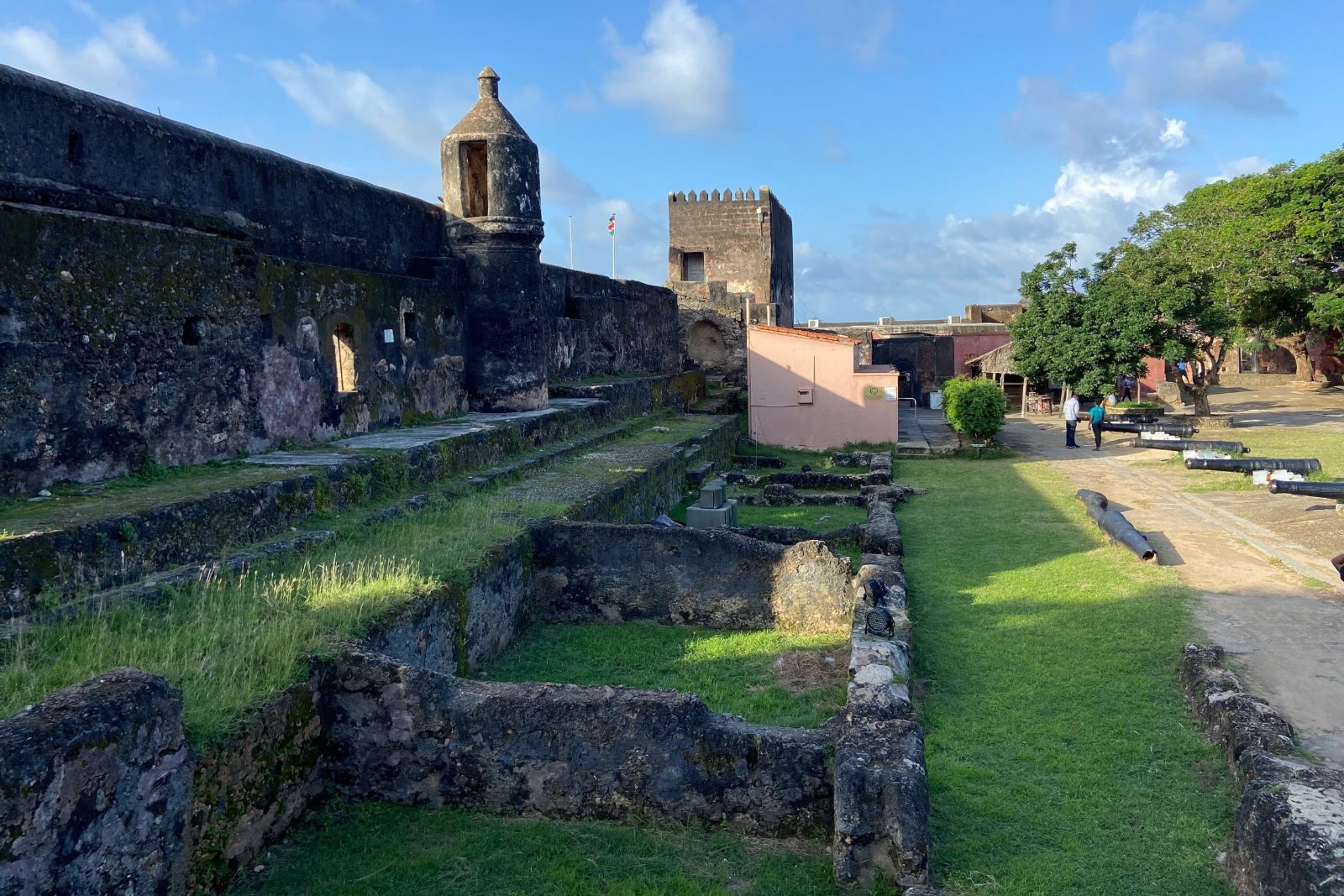
Cannon pointing towards Indian Ocean
Interior of stone chapel
Display case of ancient pottery
Every Mombasa City tour side-by-side — duration, what's included, how you redeem.
| Experience | Duration | Rating | Transfers | Pickup | Guide | Free cancel. | Price | |
|---|---|---|---|---|---|---|---|---|
|
Standard Entry Most popular
Guided Mombasa City Discovery Tour
|
3 hr | ★ 4.7 | ✓ | ✓ | ✓ | ✓ | €26 | Book → |
|
Guided Experience
Fort Jesus, Old Town & Spice Market Walking Tour
|
3 hr | ★ 4.9 | ✓ | ✓ | ✓ | ✓ | €31 | Book → |
|
Guided Experience
Fort Jesus, Old Town & Wildlife Safari
|
10 hr | ★ 4.8 | — | ✓ | ✓ | ✓ | €49 | Book → |
All prices from verified partners. Availability and exact terms confirmed at checkout.
They complement each other; most visitors who do both call the fort the more structured highlight, while the surrounding neighborhood offers the most authentic cultural immersion.
| Feature | Top pick Fort Jesus | Mombasa Old Town |
|---|---|---|
Structure |
Enclosed site | Open-air district |
Access |
Controlled entrance | Public streets |
Time Commitment |
1.5–2 hours | 1–3 hours |
Historical Focus |
Portuguese military architecture | Swahili and colonial culture |
Cost |
1,200 KES (non-resident) | Free (no tickets needed) |
Walking Intensity |
Moderate (stone pathways) | High (unrestricted exploration) |
| See tickets → |
Verdict: Securing mombasa city tour tickets for the fort provides a controlled museum experience, whereas local landmarks in the adjacent area offer a flexible, cost-free walk through heritage streets for those seeking a mombasa city tour tour experience that favors informal discovery over mombasa city tour tours focused on specific monument interiors.
Choose your ticket, select your date, and reserve in under two minutes. Secure checkout handled by our verified partner.
Instant confirmation by email, with a mobile voucher you can save offline. No printing, no queuing at a collection desk.
Arrive at the entrance, show your voucher on your phone, and walk in. Most tickets include priority or skip-the-line access.
Practical details for Mombasa City tickets straight from our verified partners — hours, access, rules, and how to get there.
Nkrumah Road, Mombasa
Meet your guide directly in front of the primary entrance.
Open in Google MapsDirect service to the fort gate from any hotel or the airport. Most drivers know the location as the primary historical fort in the city.
Matatus frequently stop near the Old Town area. You will need to walk 10 minutes to reach the site entrance.
Visitors should dress modestly out of respect for the historical and cultural significance of the site. Shoulders and knees should be covered during your mombasa city tour.
All bags are subject to inspection at the gate. Large luggage or bulky backpacks may be restricted from entering the inner chambers of the fort during your mombasa city tour.
Personal photography is permitted in the outdoor courtyards and ramparts. Tripods require prior permission from the curator for any mombasa city tour.
The fort features uneven terrain and historical masonry stairs that may be challenging for visitors with limited mobility. Staff can assist in navigating accessible routes during a mombasa city tour.
Mobile phones are permitted for personal use. Keep volumes low to maintain the quiet atmosphere of the fort.
The expansive courtyards provide space for children to explore. Supervise younger visitors near the walls as these Mombasa landmarks have steep drops.
Food consumption is not permitted inside the museum galleries. Guests may consume water in the exterior areas of this historical Mombasa site.
No animals are allowed within the fort complex. Only service animals with proper documentation may be permitted.
As of September 2026, the conservation fee remains 1,200 KES for non-resident adults. Check the official site https://museums.or.ke for the latest updates before your mombasa city tour.
Nkrumah Road, Mombasa
Meet your guide directly in front of the primary entrance.
Get directionsBest time to go, insider tips, nearby landmarks, and the cancellation fine print — flip through to skim what matters to you.
How crowds, weather, and events shift across the year.
September weather is mild, making it an excellent time for a mombasa city tour. Temperatures remain comfortable for exploring the outdoor ramparts.
December through February offers clear skies and consistent sunshine. Expect larger crowds during these peak months for any mombasa city tour.
March to May experiences increased humidity. This period is quieter, ideal for those seeking a solitary mombasa city tour.
June to August brings cooler breezes off the Indian Ocean. This season is popular for travelers taking local Mombasa city tours.
Small details that turn a good visit into a great one.
The sun is intense even in the morning. Wear a hat and apply sunscreen before entering the site for your mombasa city tour.
Consider hiring an accredited guide at the entrance. They offer valuable context on the Portuguese and Omani influences at this landmark.
Wear sturdy, closed-toe shoes. The stone floors and stairs are uneven and have been worn smooth over centuries.
Carry sufficient water. There are limited shade spots once you are on the outer ramparts of the fort.
If you are taking a mombasa city tour, aim for the 08:00 arrival. You will finish your visit before the afternoon heat and school groups arrive.
Non-bookable sights within a short walk — free to visit, easy to pair.
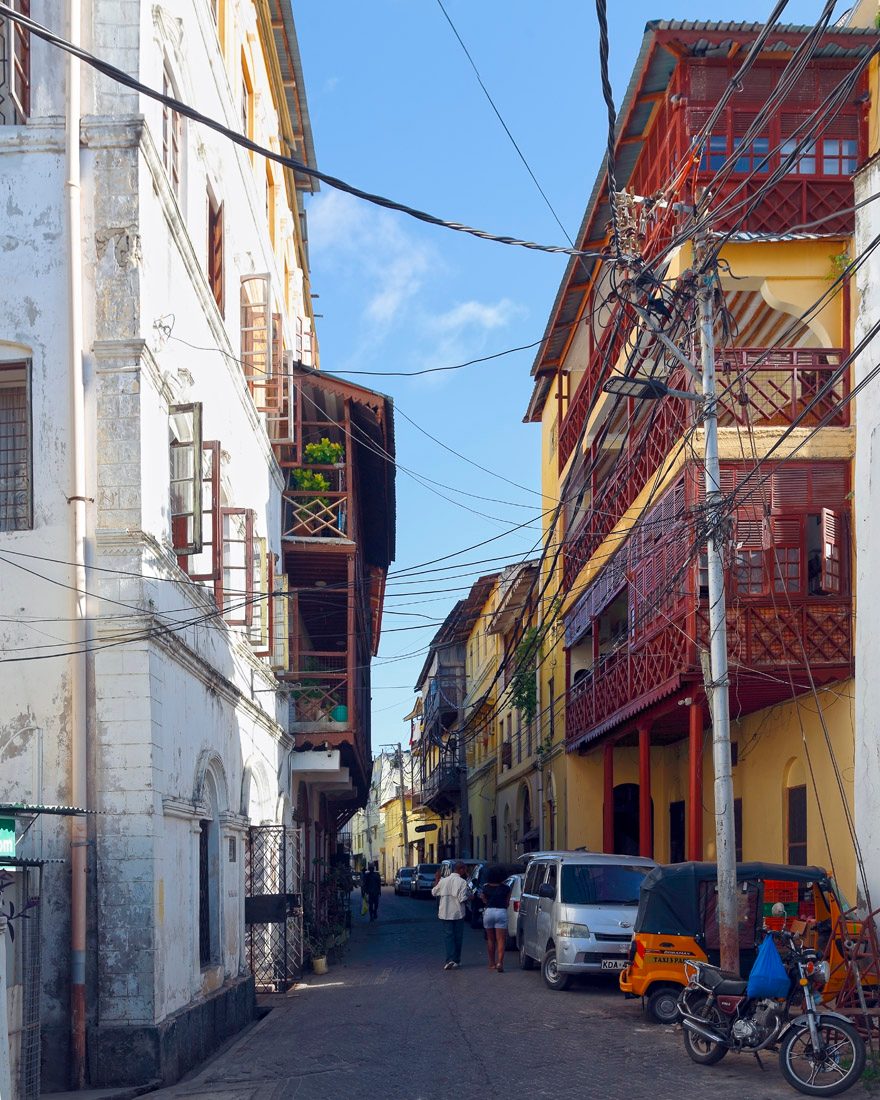
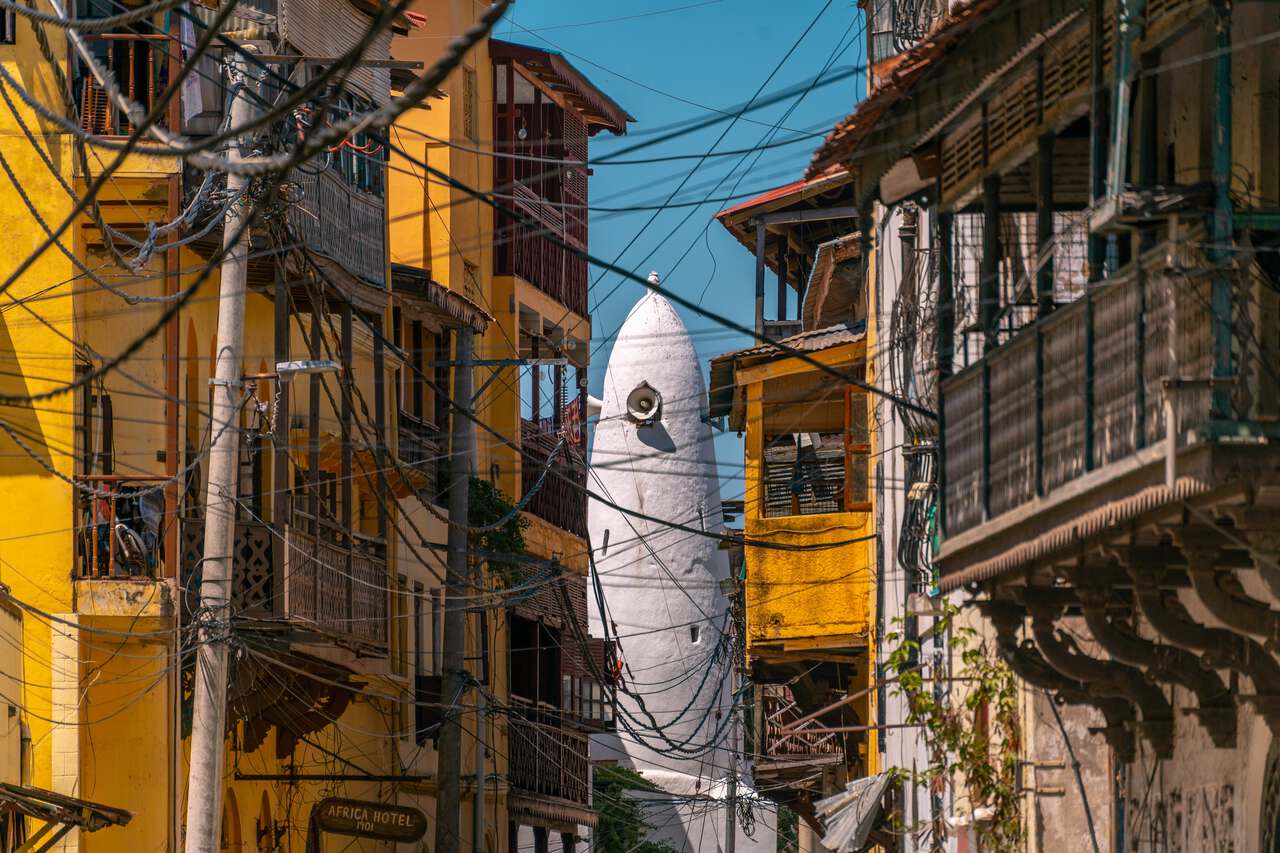
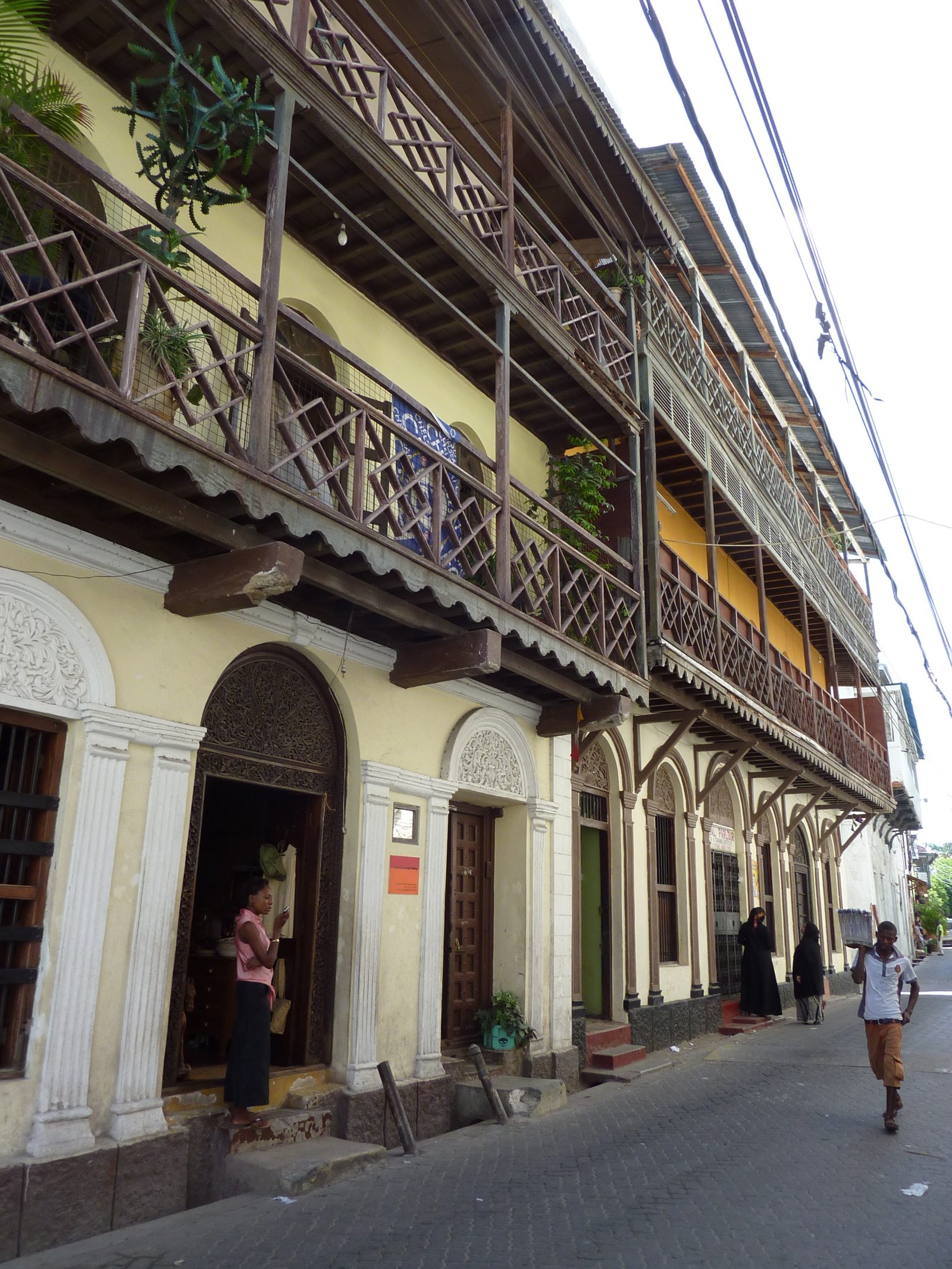
A historic area with narrow streets and Swahili architecture. Perfect for walking tours after your mombasa city tour.
A historic building with significant colonial history in Mombasa. Located within walking distance of the fort.
One of the oldest mosques in the area reflecting regional religious history. View the exterior architectural details.
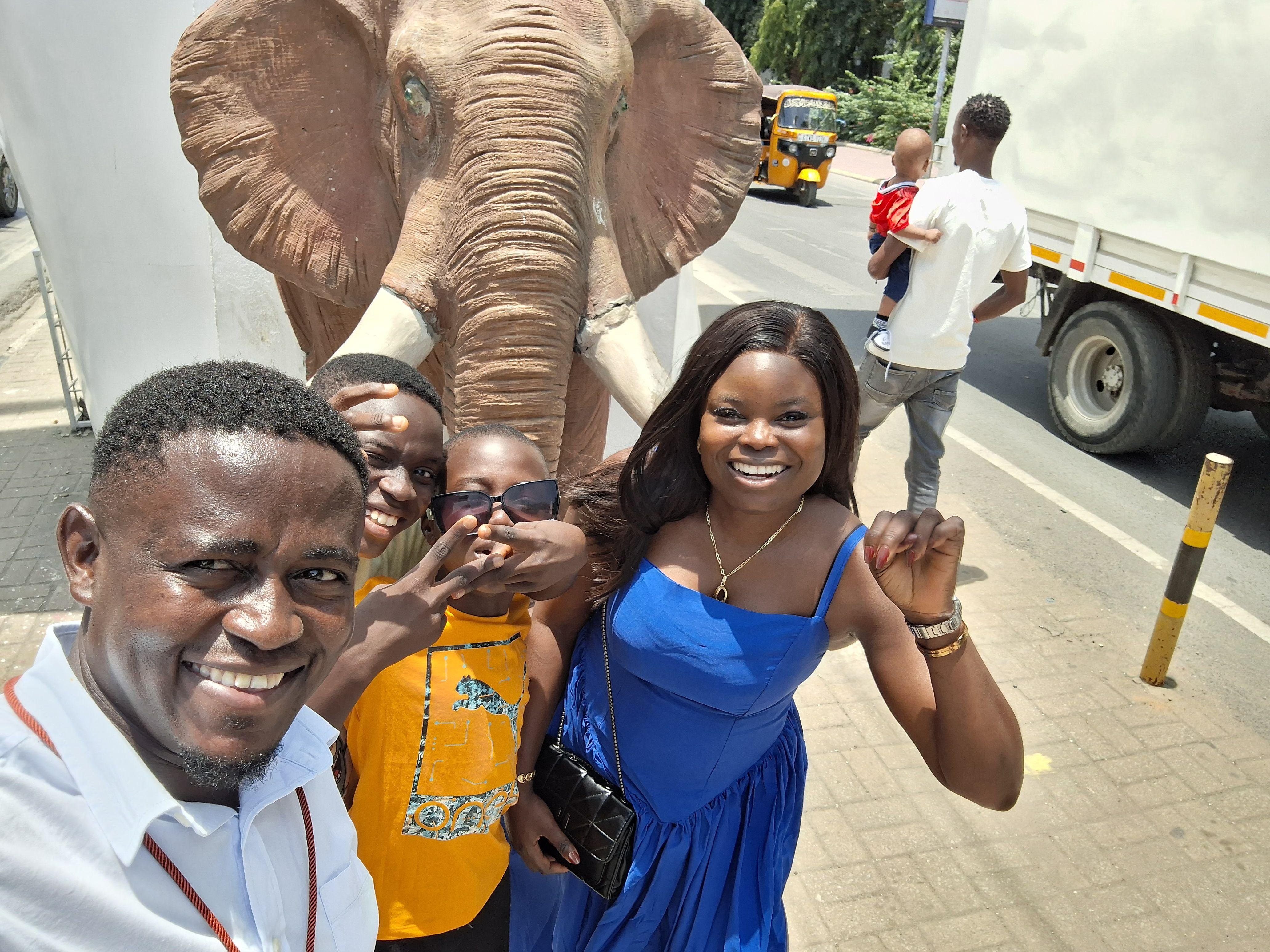
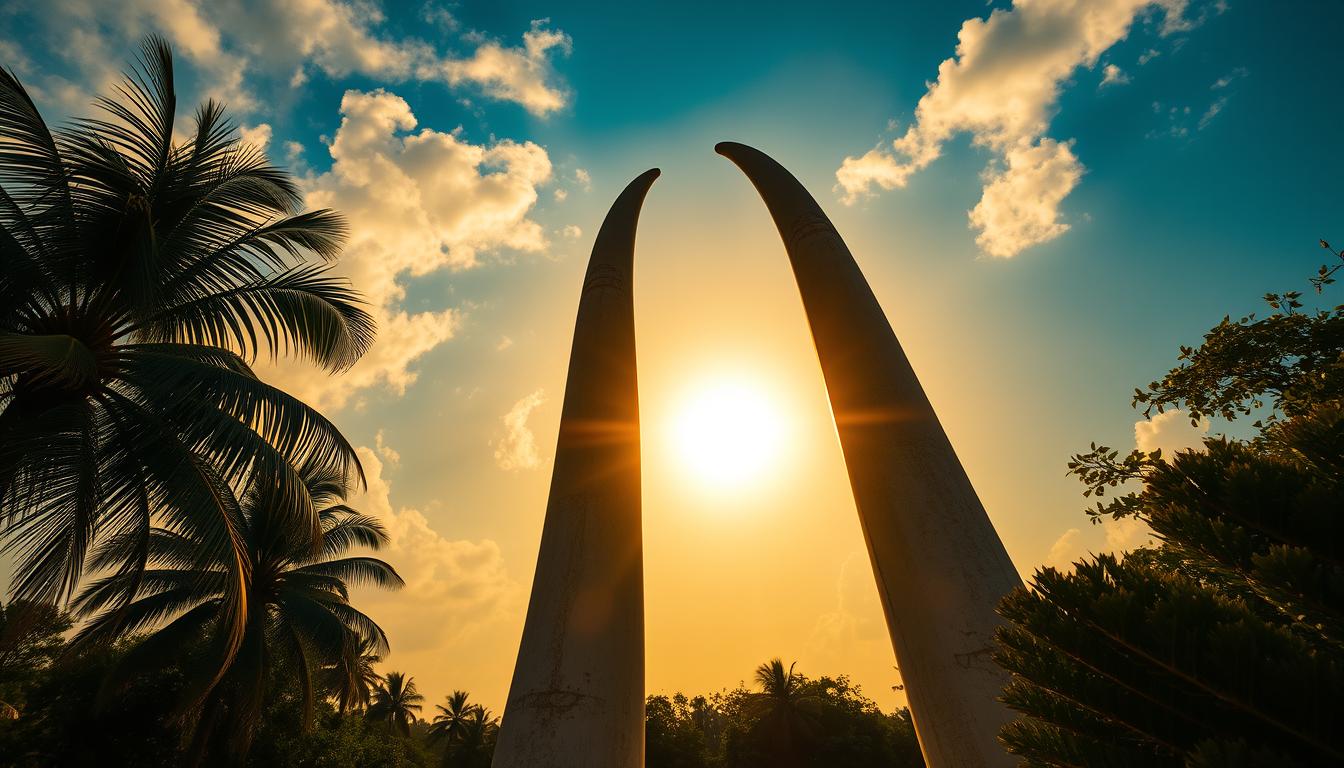
Iconic aluminum tusks commissioned to commemorate Queen Elizabeth's visit. A central photo point in the city.
Flexible, no hidden fees.
Entrance fees are non-refundable once processed. The conservation fee of 1,200 KES per non-resident adult supports ongoing site maintenance.
Hand-picked options within walking distance — pick a district for vibe, or a specific hotel for convenience.
Simple lodging located within the historic district.
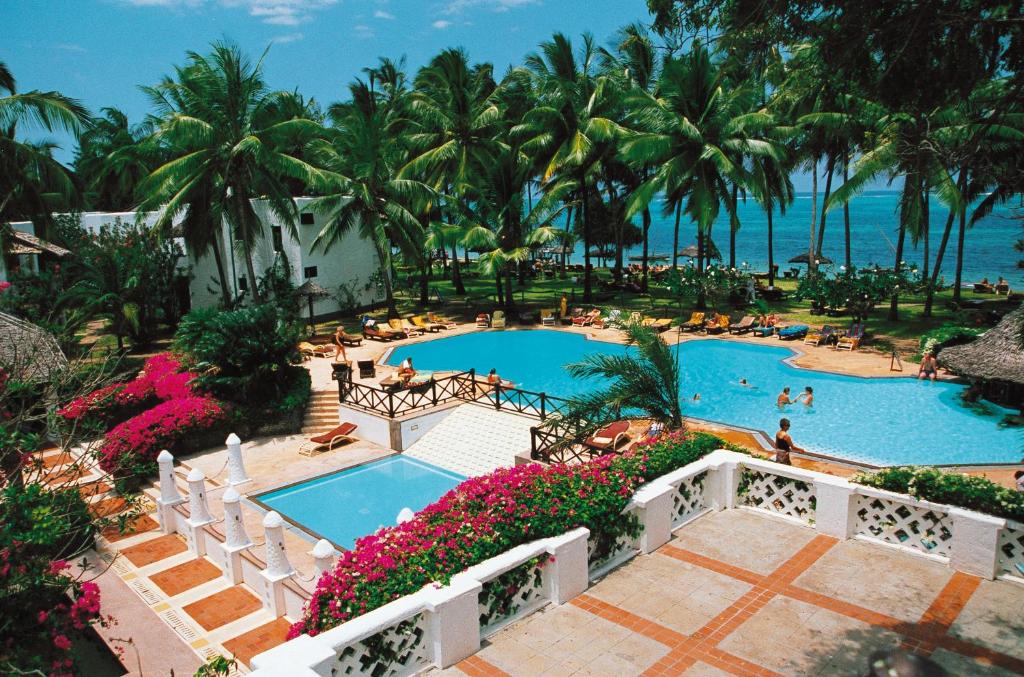
Upscale resort north of the city center.
Conveniently located for city center exploration.
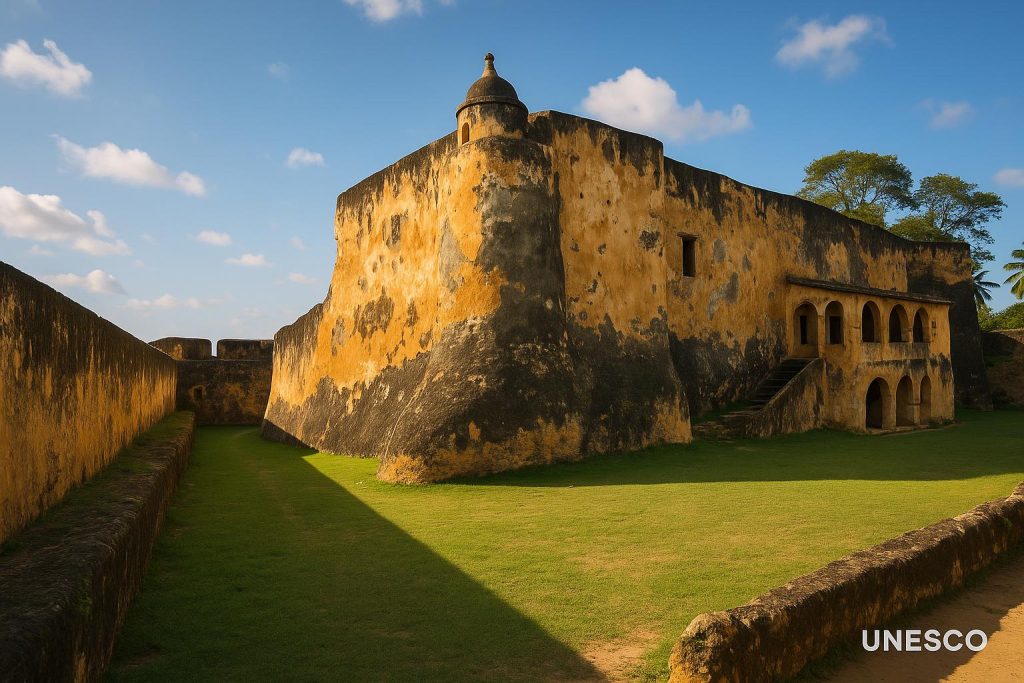
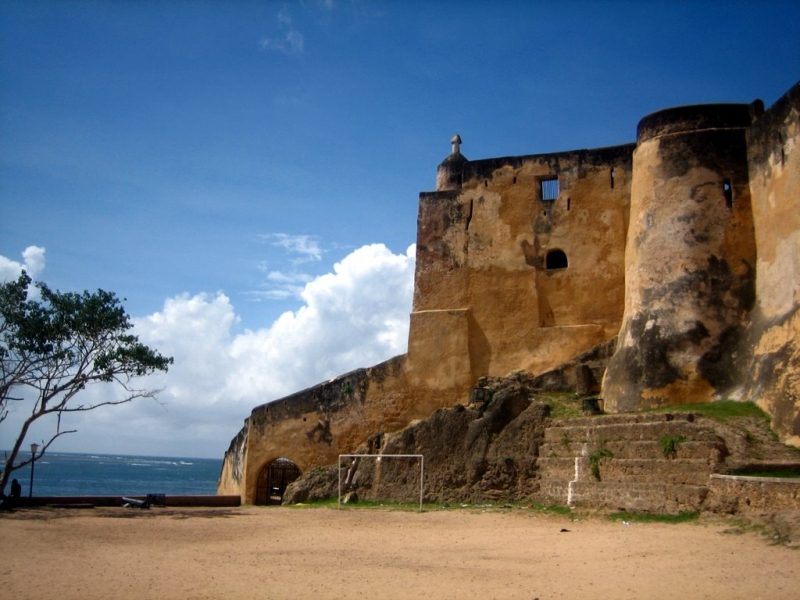
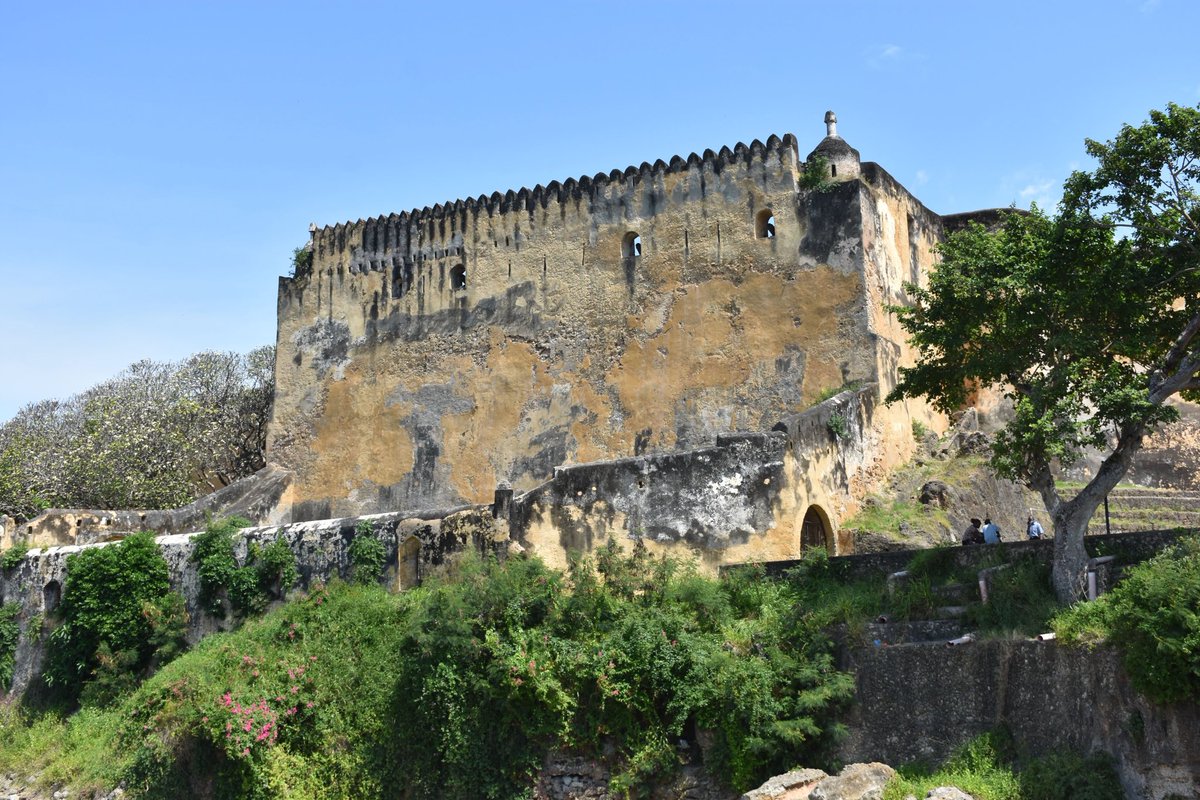
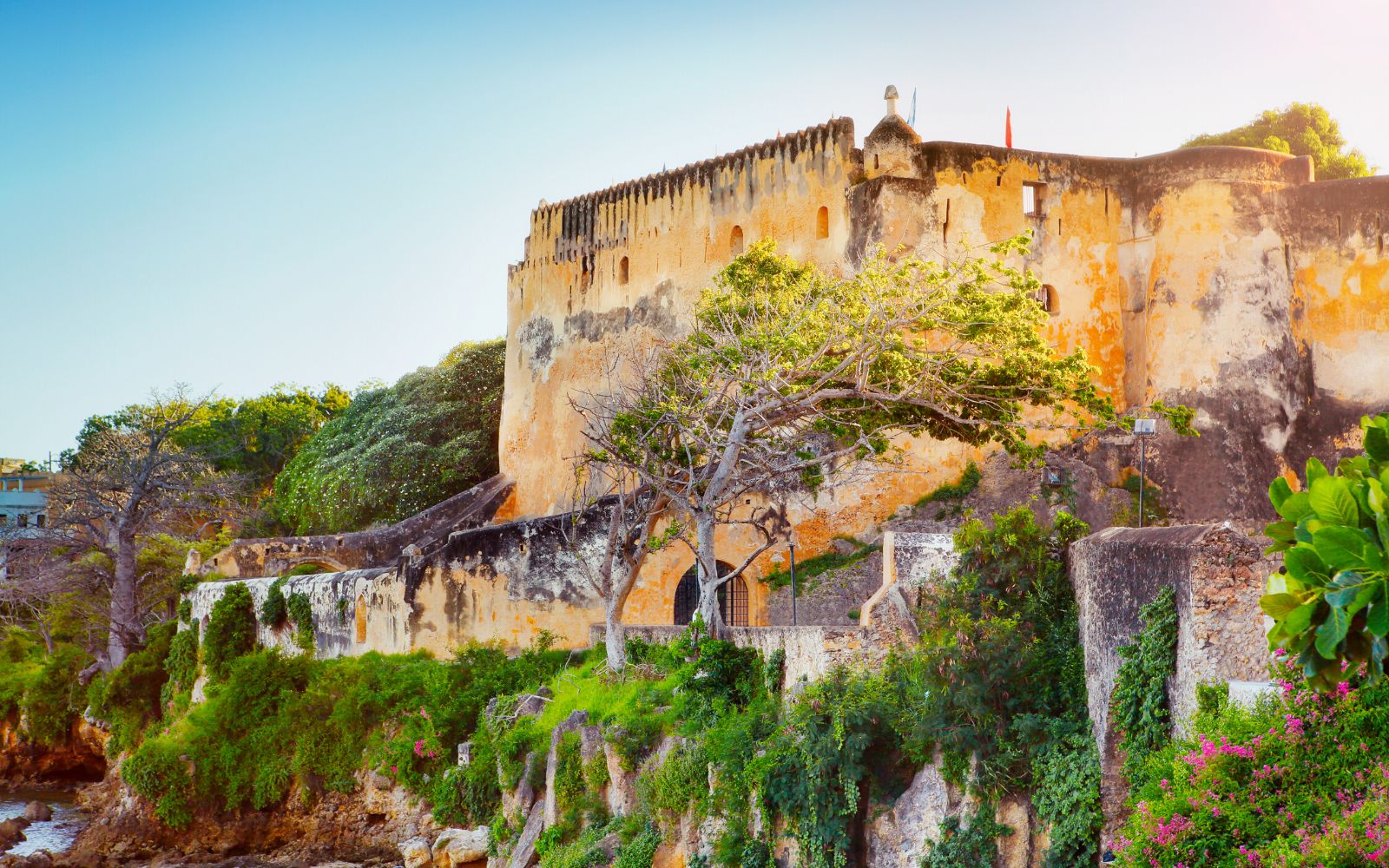
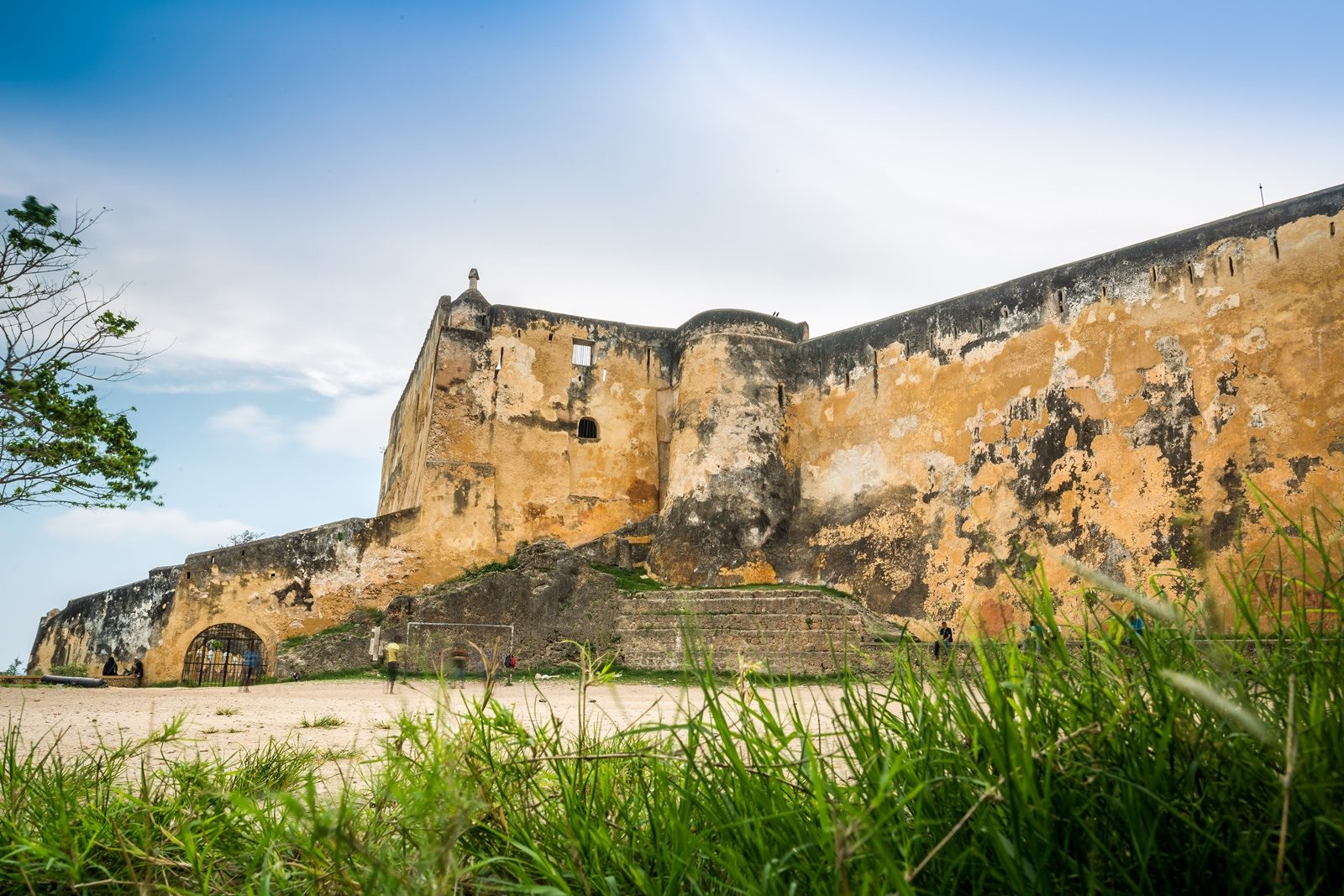
Fort Jesus took nine years to build and four centuries to become the most besieged fortress on Africa's eastern coast. Portuguese military architect Giovanni Battista Cairati laid its coral-stone foundations in 1593, designing a star-shaped citadel that would anchor Portugal's Indian Ocean trade corridor.
The fortress changed hands nine times between 1631 and 1875—Omani, Portuguese, and British forces all claimed its ramparts, each siege leaving scorch marks on the walls and fresh layers of cannon shot embedded in the coral.
Today the site stands as a UNESCO World Heritage monument and the terminus point for many who embark on a Mombasa city tour, drawn by its role as the coast's most intact architectural witness to Swahili, Arab, Portuguese, and British entanglements. The National Museums of Kenya manages the grounds, where original Portuguese graffiti survives in the armoury and the Omani House displays carved doorways salvaged from 18th-century Mombasa. The Mazrui Memorial and the site museum hold artifacts recovered from shipwrecks off the reef—Chinese porcelain, Persian glassware, and corroded matchlock rifles that tell the story of a coastline contested for spice, ivory, and strategic control of the monsoon winds.
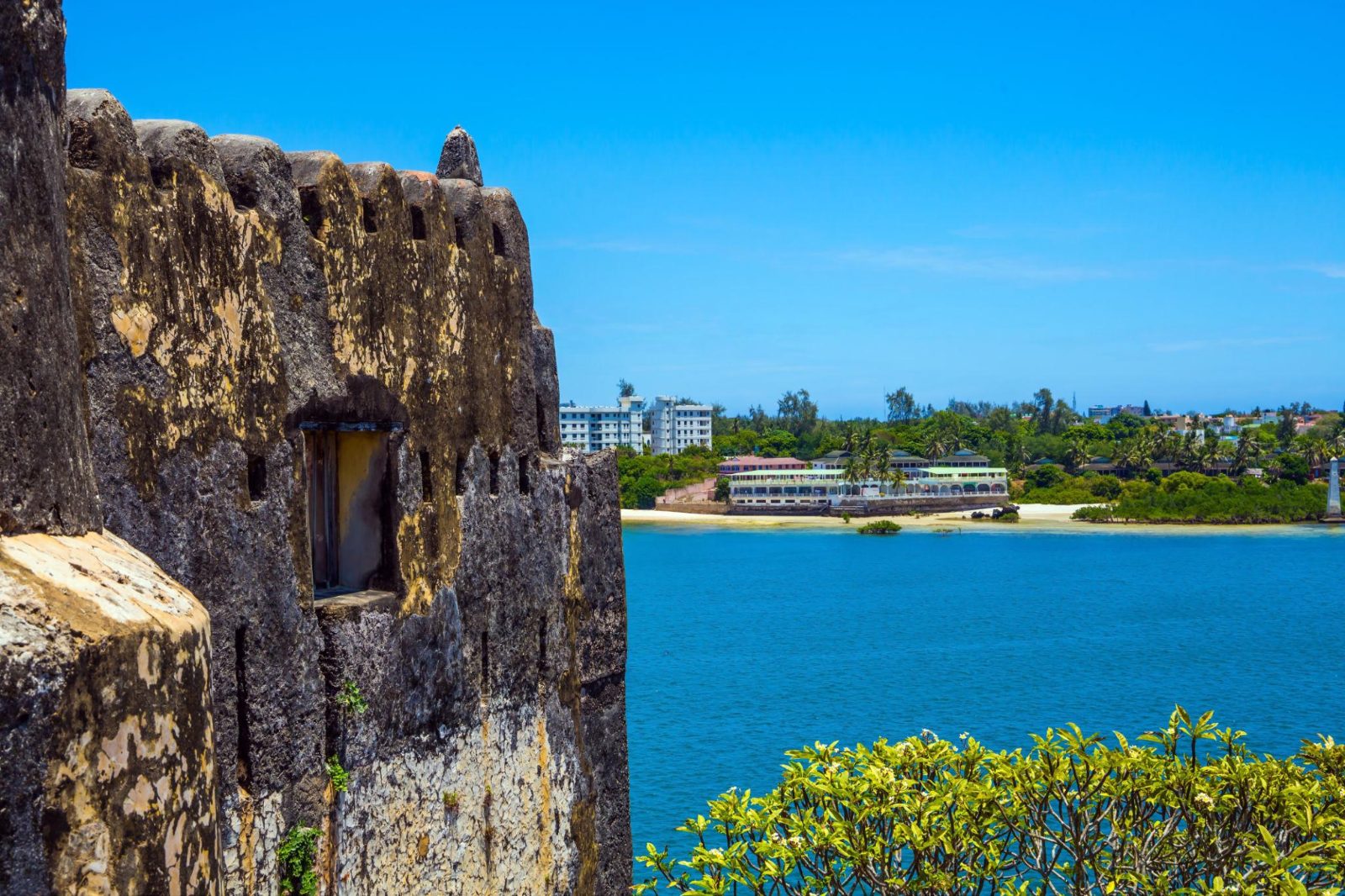
Visitors arriving for a Mombasa city tour from Diani or the northern beaches find the fortress open daily from 08:00 to 18:00, with the conservation fee set at 1,200 KES for non-resident adults. The bastions offer unobstructed views across the old harbour, where dhows still moor at low tide. Guides stationed at the gate lead groups through the courtyard, the Portuguese barracks, and the Omani audience hall, contextualizing the bloodstains on the captain's quarters floor and the graffiti left by sailors awaiting monsoon passage. The site's exposed position on Nkrumah Road means shade is scarce after 10:00, and afternoon tour groups converge near the baobab in the central courtyard. For those curious whether Mombasa city at night extends to the fortress, evening access remains restricted—the site closes at 18:00, though the floodlit walls are visible from the adjacent fish market after dark.

"Fort Jesus changed hands nine times between 1631 and 1875, each siege leaving scorch marks on the coral ramparts."
A step-by-step walkthrough of Mombasa City tickets — what you'll see, how long each stage takes, and the details that matter.
You arrive at the gatehouse on Nkrumah Road, where the conservation fee is collected and a guide gestures toward the tunnel entrance cut through the coral wall. The passage opens onto the central courtyard, where a solitary baobab shades the Omani House.
You climb the stone staircase to the eastern bastion, where the harbour spreads below—fishing dhows, container cranes, and the blue channel that carried centuries of trade. The guide points to the Portuguese graffiti scratched into the armoury doorway, dates and initials left by soldiers rotating through monsoon seasons.
You descend to the Mazrui Memorial, where display cases hold Chinese porcelain shards and Ottoman coins recovered from the reef. The Omani audience hall retains its carved teak door, and you pause to photograph the lattice work before stepping into the captain's quarters, where a dark stain marks the floor—blood from the 1698 siege, the guide explains, when the fortress fell after a 33-month blockade. You exit through the western bastion, where cannons still face the old port, and the Indian Ocean wind carries the scent of salt and fried cassava from the fish market beyond the walls.
Fort Jesus is open daily from 08:00–18:00. This applies to every day of the week, including weekends.
Yes, you can purchase entry tickets at the Fort Jesus entrance. The conservation fee is 1,200 KES per non-resident adult.
Visitors should dress modestly, keeping shoulders and knees covered when exploring the site. This is a common requirement for cultural landmarks in Mombasa.
Small bags are permitted but subject to security screening. Avoid bringing large, heavy luggage to ensure ease of movement during your mombasa city tour.
The best arrival window is 08:00–10:00 to avoid mid-day heat and large groups. This ensures a more pleasant experience for your mombasa city tour.
Yes, families are welcome. Please supervise children closely near the historic stone walls and ramparts of the fort.
Partial access is available. Much of the site features uneven stone paths and stairs, which may be difficult for mobility aids.
The conservation fee is 1,200 KES per non-resident adult. Check the official site at https://museums.or.ke for the latest information.
Yes, include a walk through Old Town to see Swahili architecture after your mombasa city tour. It is located just a few minutes away on foot.