
3 hr
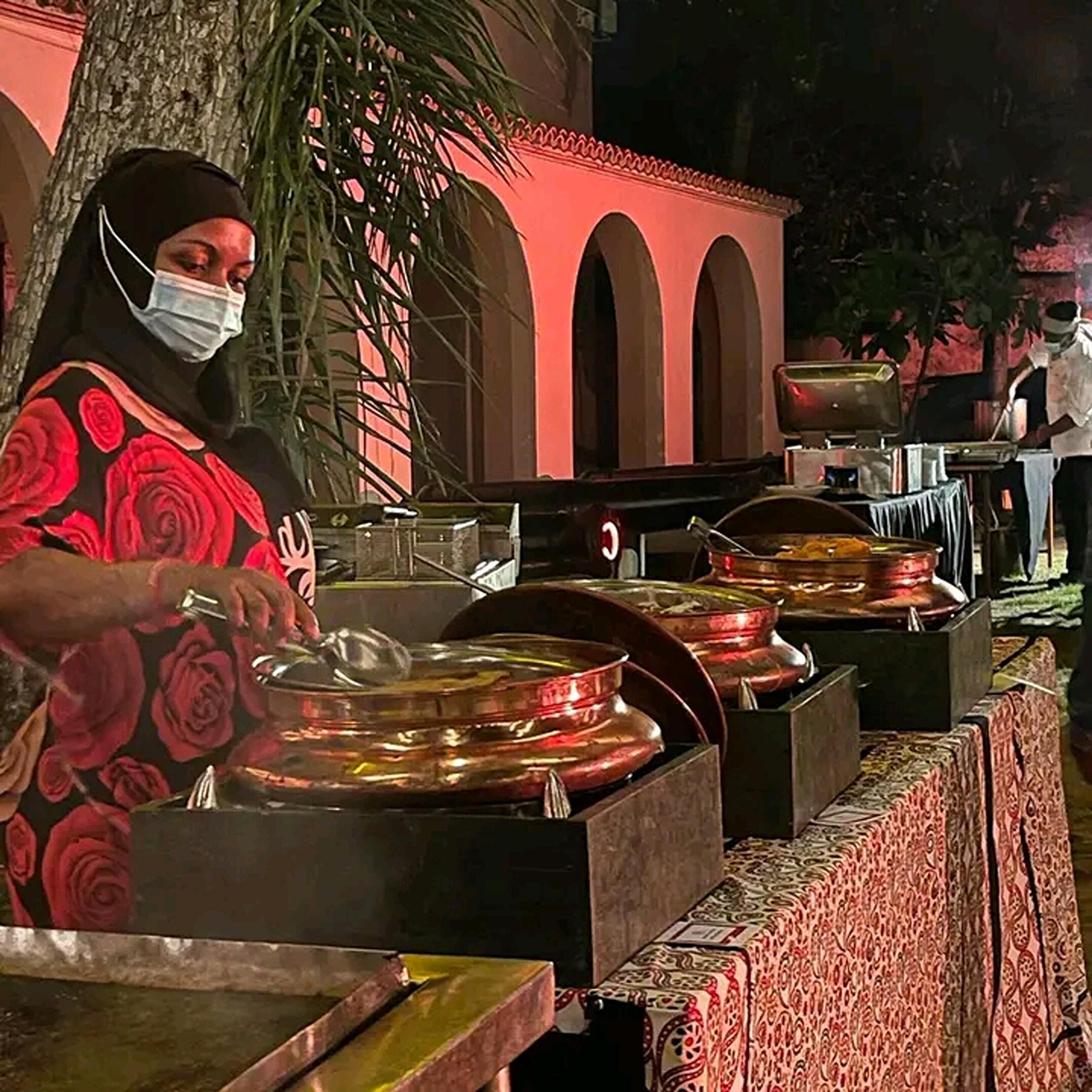
Fort Jesus Evening Experience with Sound & Light Show
Step into 500 years of coastal history through a candlelit fortress tour, spectacular multimedia show, and Swahili BBQ feast
Reserve
Hand-picked by our editors — only the best 5 night experiences from 47 reviewed.
Verified partners for every tour, free cancellation where available, and instant confirmation on every booking.
3 hr
Step into 500 years of coastal history through a candlelit fortress tour, spectacular multimedia show, and Swahili BBQ feast
Reserve
3 hr
Explore UNESCO-listed Fort Jesus, wander historic alleyways, and breathe in exotic spices on this cultural journey
Reserve
3 hr
Discover coastal heritage through a UNESCO fort, bustling spice markets, and Swahili architecture
ReservePrices from verified partners. Availability updates in real time at checkout. Free cancellation policies apply where shown.
The landmarks, rooms, and views travelers on this tour remember — all visible on a single visit.
The former residence of the governor features intricate carvings and historical artifacts.
They complement each other, though most travelers seeking a mombasa city at night experience find Fort Jesus more convenient while Gedi Ruins offers a secluded historical atmosphere. Visitors often utilize mombasa city at night tours to navigate the coastal UNESCO heritage sites efficiently.
| Feature | Top pick Fort Jesus | Gedi Ruins |
|---|---|---|
Setting |
Urban coastal fortification | Deep forest archaeological site |
Accessibility |
Central Mombasa access | Requires travel to Kilifi |
Focus |
Military defense and colonial history | Ancient Swahili domestic life |
Architectural Style |
Portuguese stone masonry | Coral rag and plaster construction |
Primary Visitor Interest |
Coastal landmarks and museum exhibits | Quiet exploration of abandoned city streets |
Historical Era |
16th-century fortification | 13th to 17th-century settlement |
| See tickets → |
Verdict: Choose Fort Jesus for an accessible urban excursion, or select Gedi Ruins to enjoy a deeper archaeological escape during your mombasa city at night tour search for unique mombasa city at night tickets.
Choose your ticket, select your date, and reserve in under two minutes. Secure checkout handled by our verified partner.
Instant confirmation by email, with a mobile voucher you can save offline. No printing, no queuing at a collection desk.
Arrive at the entrance, show your voucher on your phone, and walk in. Most tickets include priority or skip-the-line access.
Practical details for your visit straight from our verified partners — hours, access, rules, and how to get there.
Modest clothing is recommended when visiting Fort Jesus to respect local cultural norms. Comfortable walking shoes are advised for navigating the historic stone corridors and bastions.
Security screening is mandatory at the entrance. Avoid bringing large backpacks to expedite your entry into the monument.
Photography is permitted in most outdoor areas and the fort battlements. Commercial filming or photography requiring drones requires prior authorization from site management.
The fort is a historic structure with significant elevation changes and uneven terrain. Wheelchair access is limited, and visitors should exercise caution on stairs.
Families are welcome to explore the museum exhibits at their own pace. Children typically enjoy the open courtyards and viewing the historic cannons.
No dining facilities exist inside the museum walls. Refreshments are often available through organized mombasa city at night tour packages which include dinner.
Best time to go, insider tips, nearby landmarks, and the cancellation fine print — flip through to skim what matters to you.
Flexible, no hidden fees.
Tickets are non-refundable. Please confirm your arrival date before booking as entrance fees are finalized upon purchase.
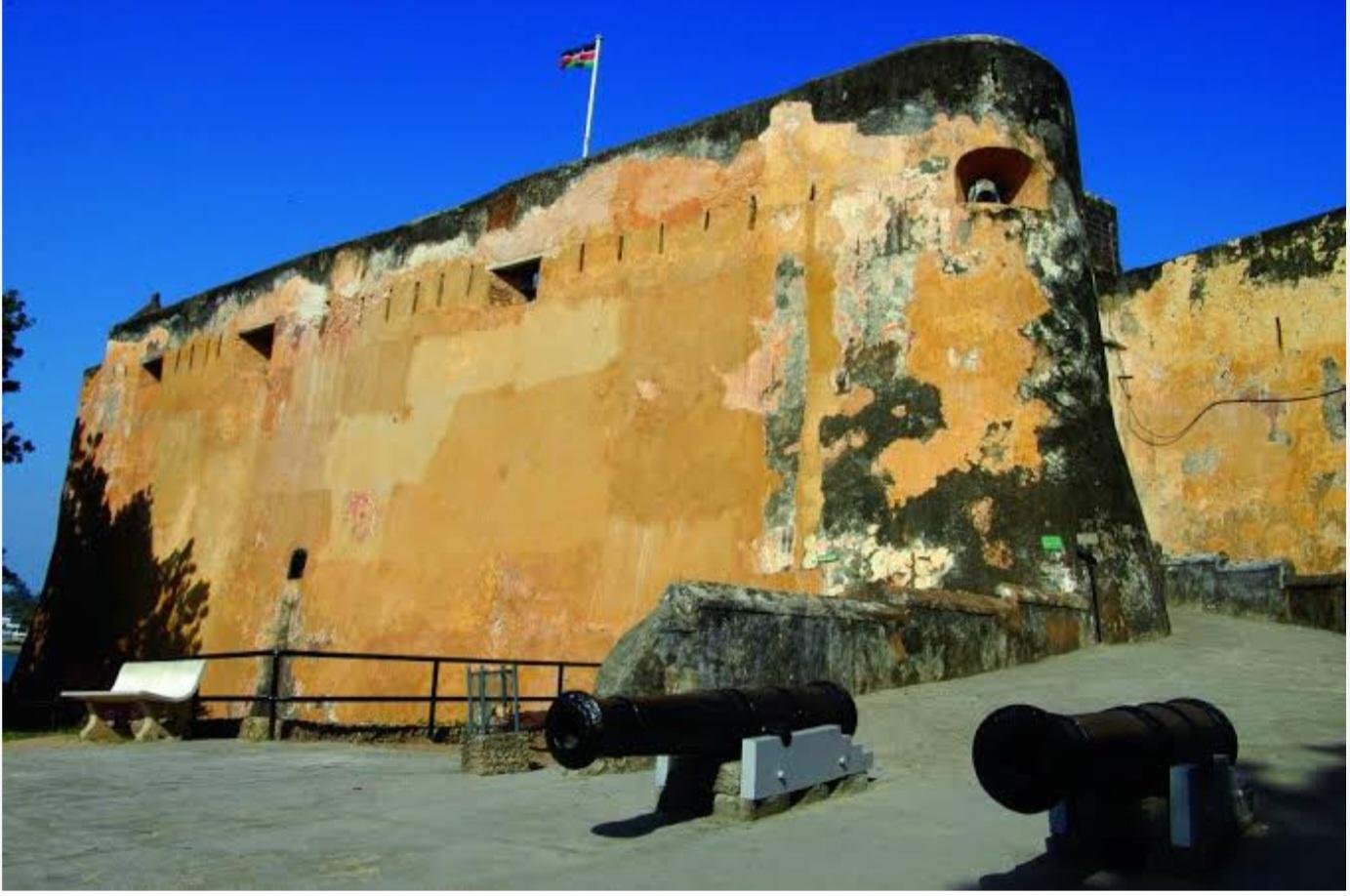
Fort Jesus closes its gates at 18:00 most evenings, but Thursday through Sunday the coral-stone fortress extends hours until 22:00, transforming Mombasa's UNESCO World Heritage landmark into a stage for sound and light. Built by the Portuguese in 1593 to command the Old Port, the fort witnessed three centuries of siege warfare—Arab Omani forces reclaimed it in 1698 after a 33-month blockade, and British colonial administration converted its barracks into a prison by 1895. Today the Kenya National Museums authority manages the site, and evening programming reveals architectural details invisible by day: floodlights rake across the Omani House's carved lintels, the Passage of the Arches casts geometric shadows onto the inner courtyard, and the seaward bastions frame dhow silhouettes against Kilindini Harbour. Mombasa city at night offers a concentrated window into Swahili Coast urbanism. The Old Town quarter—a five-minute walk from Fort Jesus—compresses four centuries of trade into twelve hectares: Swahili townhouses with coral-rag facades, Hindu temples built by Gujarati merchants in the 1880s, and the Mandhry Mosque's whitewashed minaret dating to 1570. Guided evening walks thread through Mbarak Hinawy Road and Ndia Kuu, where street vendors sell mahamri and kahawa chungu under bare bulbs, and the Mackinnon Market's spice stalls close at dusk. The fort's ramparts provide elevation—you stand fifteen metres above sea level on the San Matias Bastion, watching container ships queue at the port entrance and tracing the coastline south toward Likoni. The Sound & Light Show, staged on Thursday, Friday, and Saturday evenings when extended hours permit, projects historical narratives onto the fort's walls: Vasco da Gama's 1498 landing, the Mazrui resistance, the Mombasa Republic's brief 1895 secession. Visitors gather in the central courtyard as Swahili and English narration alternates with projected maps and archival sketches. The 1,200 KES conservation fee grants access to the museum galleries, the Omani House exhibition, and the rampart circuit; evening tours often bundle this entry with Old Town walks or spice-market extensions, creating three-hour itineraries that anchor Mombasa after-dark experiences in tangible heritage rather than abstract atmosphere.
"Floodlights rake across the Omani House's carved lintels, the Passage of the Arches casts geometric shadows onto the inner courtyard."
A step-by-step walkthrough of the visit — what you'll see, how long each stage takes, and the details that matter.
You arrive at Nkrumah Road as the sun drops behind the port cranes, joining your group at the fort's main gate for the 19:00 start. Your guide leads you through the entrance tunnel—coral blocks overhead, worn smooth by four centuries of monsoon rains—and emerges into the central courtyard where folding chairs face the northern wall. The sound and light show begins: projectors mounted on the bastions cast Portuguese maps onto the ramparts, and you hear Swahili narration describing the 1698 siege as cannon-fire sound effects echo off the stone. After thirty minutes the projections fade and the group ascends the stone staircase to the San Matias Bastion. You walk the rampart circuit, pausing at each corner turret to frame views: container ships queued at Kilindini, the Old Town's tin rooftops silvered by streetlights, dhows anchored in the creek below. Your guide points out the Omani House's wooden balcony, explaining how Arab governors adapted Portuguese military architecture into residential quarters. The tour descends through the Passage of the Arches, where floodlights create sharp contrasts between lit archways and shadowed vaults, then exits onto Nkrumah Road. Some groups continue into the Old Town for a spice-market walk; others finish at the gate, cameras full of illuminated coral and harbor lights.
The fort is open until 22:00 on Thursday through Sunday for evening visitors.
The entrance fee is 1,200 KES (conservation fee, per person, for foreign adult visitors).
Evening access is generally structured around organized mombasa city at night tours for safety and exhibit management.
Most evening experiences last 2–3 hours including the light show.
Yes, children are welcome on mombasa city at night tours.
Limited street parking is available on Nkrumah Road near Fort Jesus.
We recommend securing your mombasa city at night tickets online via the official site to guarantee entry.
Daytime hours of 08:00–18:00 are best for full exploration of Fort Jesus museum exhibits.
Photography is usually allowed, though professional equipment may require specific permission.
Yes, visitors often combine a fort visit with walking tours of Mombasa Old Town.
Yes, the conservation fee grants access to all museum areas.
Many mombasa city at night tickets include a traditional Swahili BBQ dinner as part of the package.